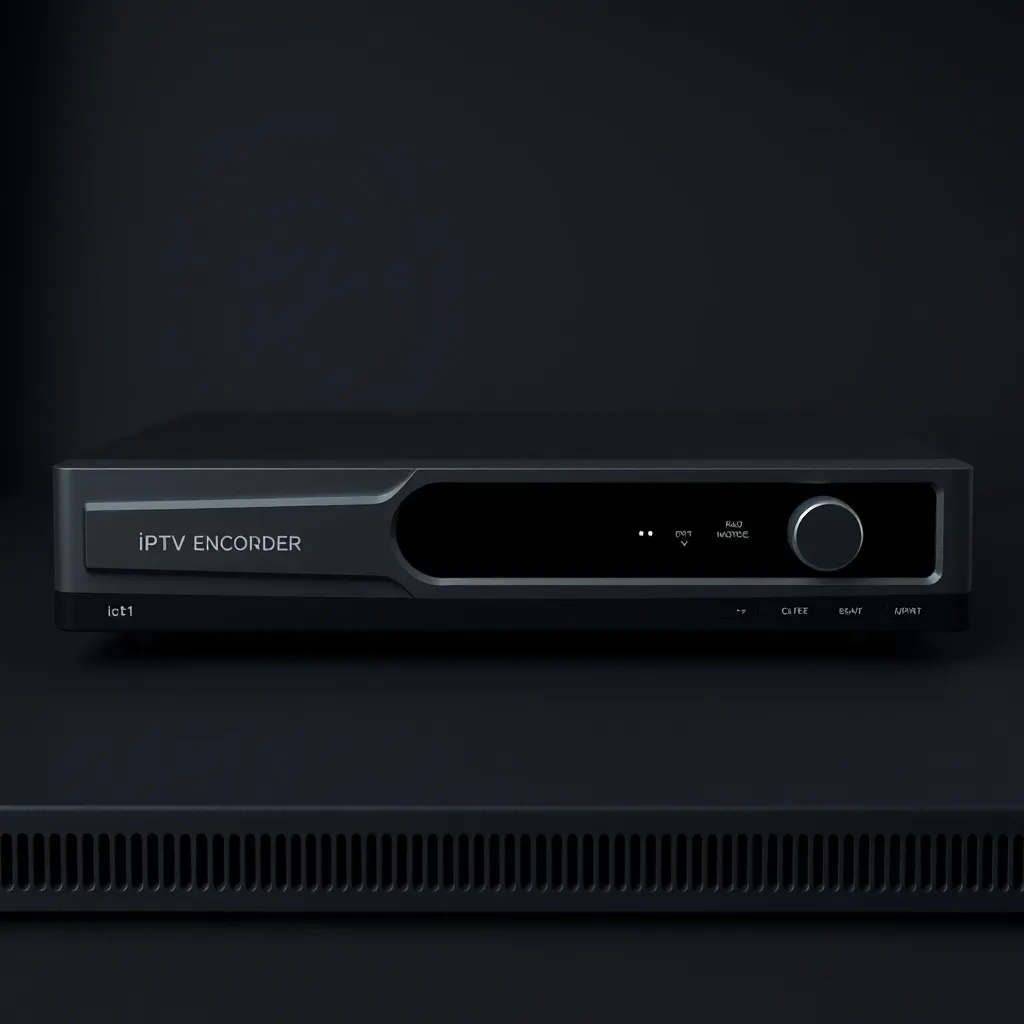
- What Is an IPTV Encoder and Why It Matters in 2026
- Key Features to Look for in a Modern IPTV Encoder
- How to Choose the Right IPTV Encoder for Your Business
- Common Mistakes to Avoid When Setting Up an Encoder
- FAQ
If you've ever watched a live stream stutter or freeze at the worst possible moment, chances are the culprit wasn't your internet connection at all. In most cases, it's the IPTV encoder doing the heavy lifting behind the scenes. After years of deploying streaming infrastructure for mid-sized broadcasters, I've learned that choosing the right encoder is often the single biggest factor separating a professional channel from a buffering nightmare.
In 2026, with 4K and even 8K content becoming mainstream, understanding how an IPTV encoder works isn't optional anymore — it's essential for anyone running a streaming service, IPTV panel, or private channel.
What Is an IPTV Encoder and Why It Matters in 2026
An IPTV encoder is a hardware or software device that converts raw video signals (from a camera, satellite receiver, or media source) into a compressed digital format suitable for streaming over IP networks.
Without a reliable encoder, even the fastest internet connection can't guarantee smooth playback. According to Wikipedia's overview of video coding formats, compression efficiency directly impacts both bandwidth usage and viewer experience.
Global streaming consumption continues to climb — Statista's 2025 online video report confirms that live streaming demand has grown steadily year over year, making encoder reliability more critical than ever.
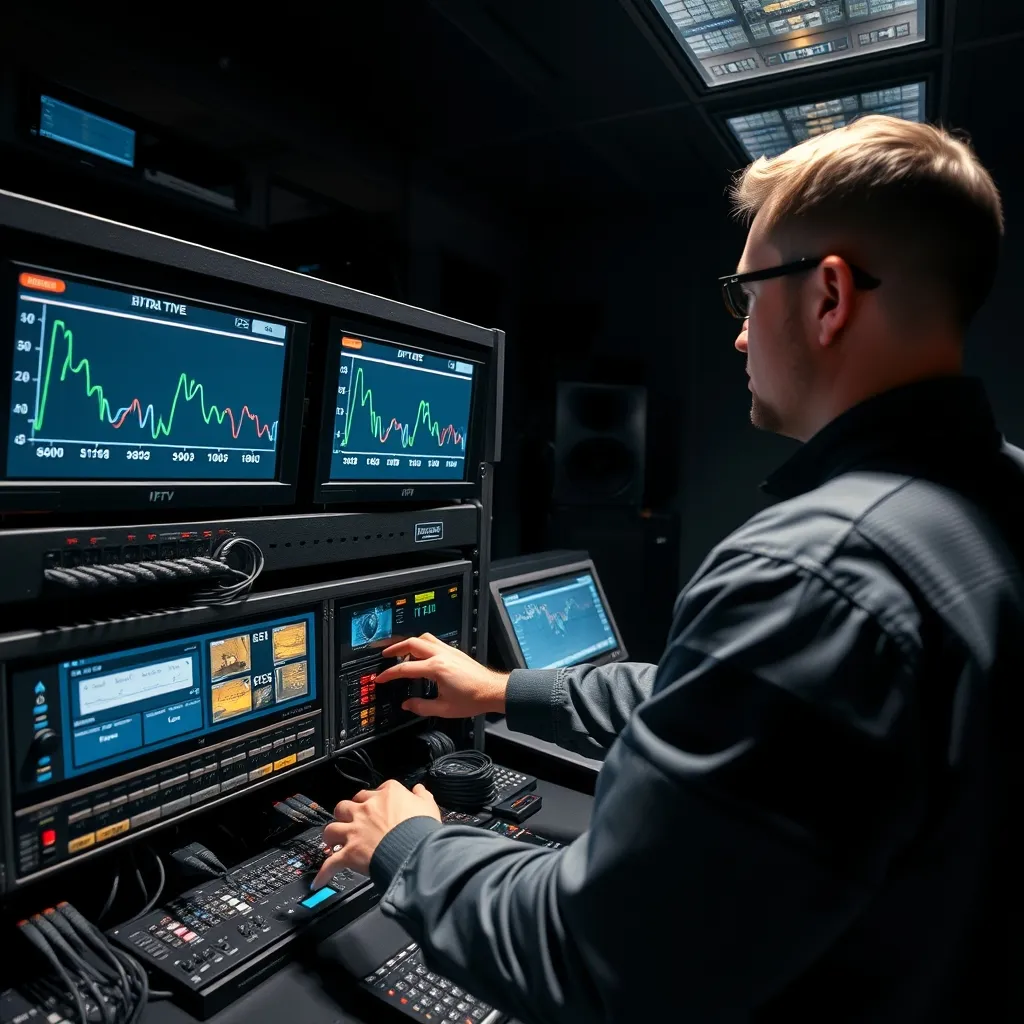
Key Features to Look for in a Modern IPTV Encoder
Not every IPTV encoder is built the same. The right choice depends on your channel count, resolution needs, and budget.
Hardware vs Software Encoders
- Hardware encoders offer dedicated processing, lower latency, and better stability for 24/7 broadcasting.
- Software encoders (like FFmpeg-based tools) are flexible and cost-effective for smaller setups.
Codec Support (H.264, H.265/HEVC, AV1)
A quality IPTV encoder should support modern codecs to balance quality and bandwidth.
- H.264 remains the universal standard for compatibility.
- H.265/HEVC cuts bandwidth usage nearly in half at the same quality.
- AV1 is gaining traction in 2026 for premium 4K/8K delivery.
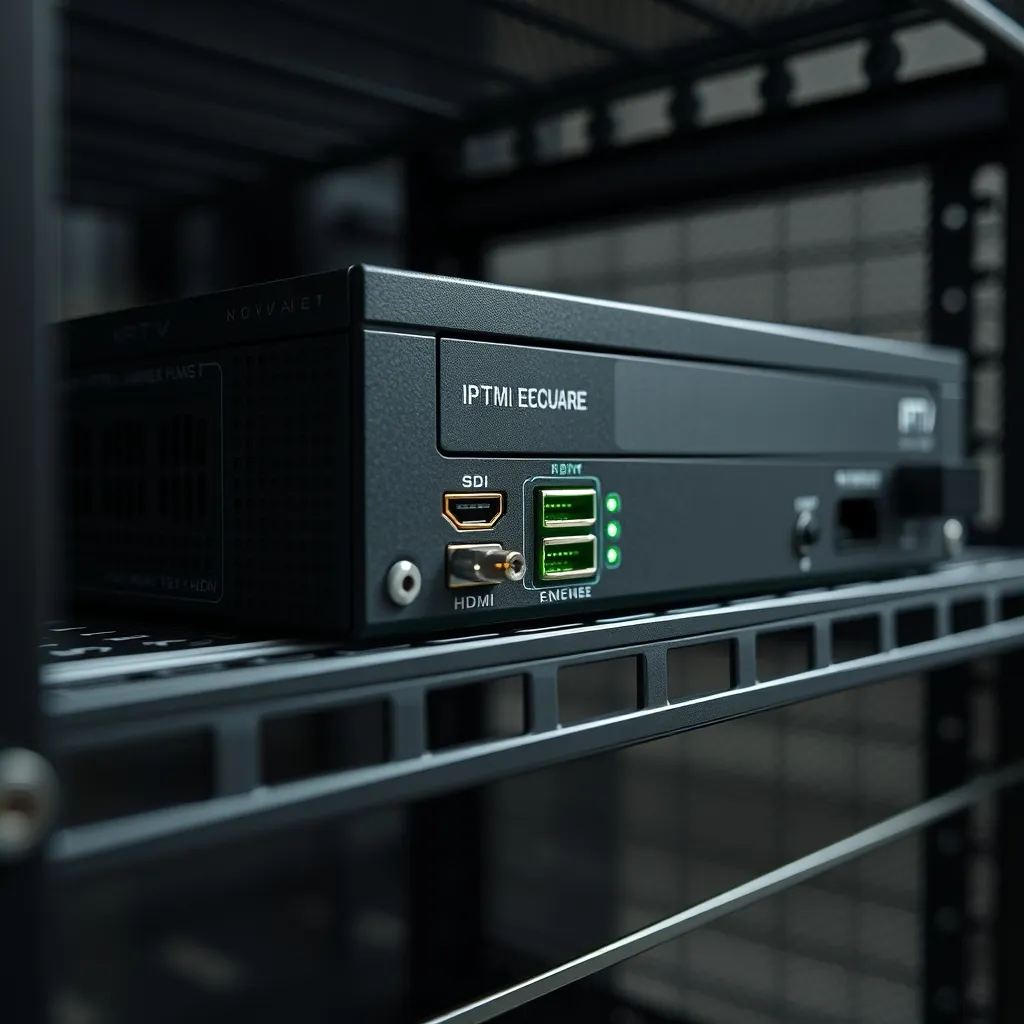
How to Choose the Right IPTV Encoder for Your Business
From experience, the biggest mistake operators make is buying an encoder based purely on price rather than actual throughput needs.
- Calculate total channels and simultaneous streams before purchasing.
- Check for multi-bitrate (adaptive) streaming support.
- Verify compatibility with your middleware and CDN.
- Ensure firmware updates and vendor support are ongoing.
If you're scaling a commercial IPTV service, it's worth comparing plans first — View our IPTV Pricing to see how encoder capacity affects overall cost.
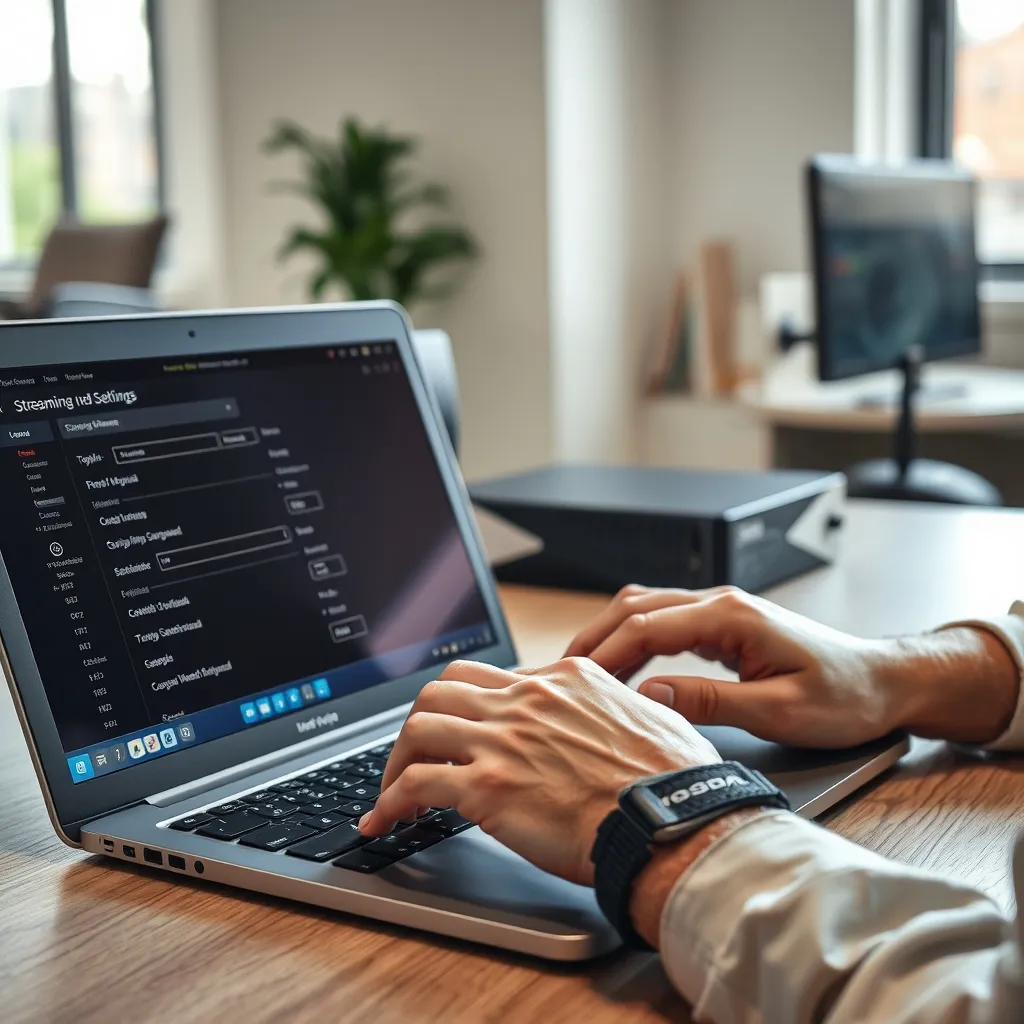
Common Mistakes to Avoid When Setting Up an Encoder
Even experienced technicians run into avoidable pitfalls when configuring an IPTV encoder for the first time.
- Ignoring proper bitrate-to-resolution ratios, causing pixelation.
- Skipping latency testing before going live.
- Overlooking audio sync settings during transcoding.
- Failing to future-proof for higher resolutions like 8K.
For a deeper technical walkthrough, check our IPTV Encoder Setup Guide before your next deployment.
FAQ
What is the difference between an IPTV encoder and a transcoder?
An encoder converts raw video into a compressed streamable format, while a transcoder converts an already-encoded file from one format to another.
Do I need a hardware IPTV encoder for small channels?
Not necessarily. Software encoders work well for small-scale or single-channel setups, while hardware is recommended for 24/7 multi-channel operations.
Which codec is best for an IPTV encoder in 2026?
H.265/HEVC remains the most balanced choice for quality and bandwidth efficiency, though AV1 adoption is rising quickly for premium content.