Choosing the right iptv service in 2026 can feel overwhelming with hundreds of providers promising thousands of channels. After testing dozens of platforms over the past three years, we've learned exactly what separates a reliable iptv service from a frustrating one. This guide breaks down everything you need to know before subscribing.
- What Is an IPTV Service and How Does It Work?
- Key Benefits of Choosing a Premium IPTV Service
- How to Choose the Best IPTV Service in 2026
- Is IPTV Legal? Understanding the Risks
- FAQ
What Is an IPTV Service and How Does It Work?
Internet Protocol Television, or IPTV, delivers live TV and on-demand content over broadband instead of traditional cable or satellite signals. Rather than relying on antennas or coaxial cables, an iptv service streams data packets directly to your smart TV, mobile device, or streaming box.
According to Wikipedia's technical overview of IPTV, this technology relies on multicast streaming protocols to efficiently distribute content to thousands of viewers simultaneously.
- Live channels streamed via M3U or Xtream Codes playlists
- Video-on-demand libraries updated regularly
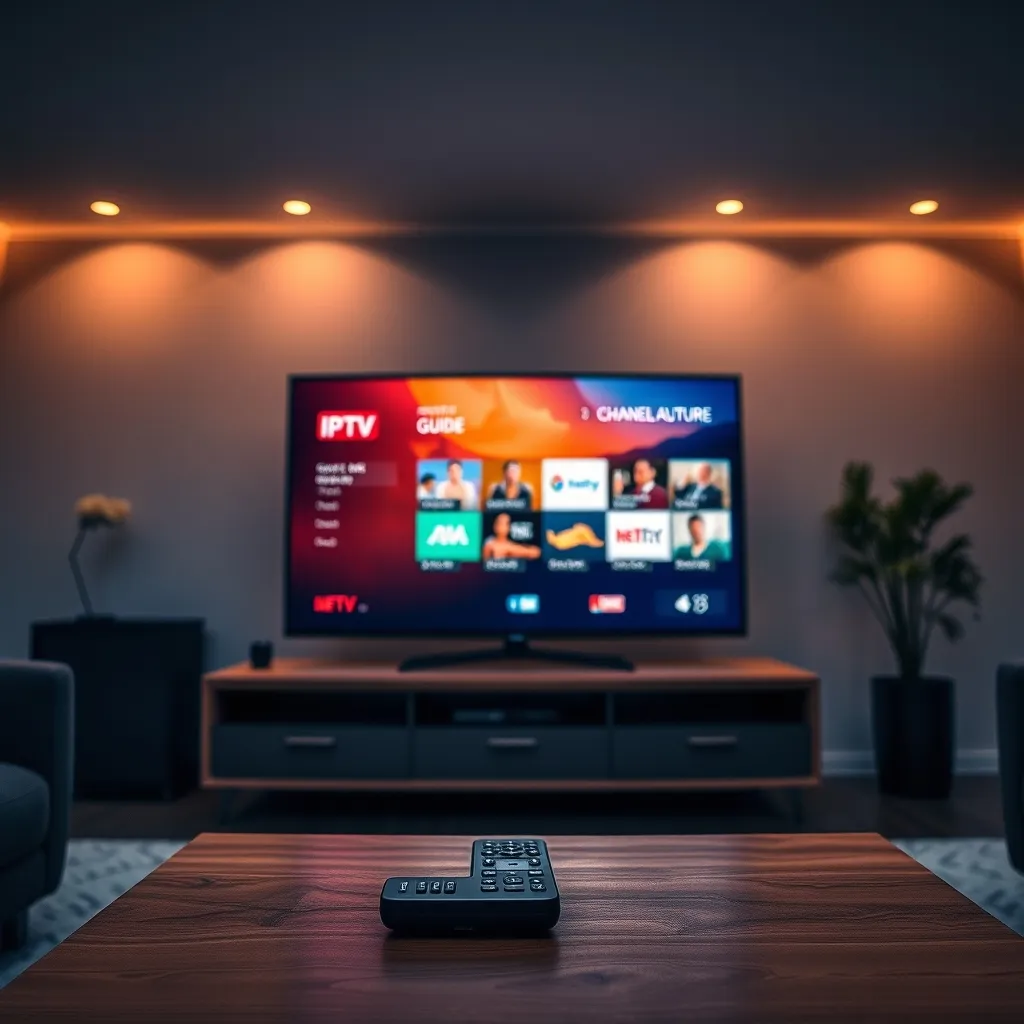
- Electronic Program Guides (EPG) for scheduling
Key Benefits of Choosing a Premium IPTV Service
A quality iptv service offers far more flexibility than legacy cable packages. Viewers increasingly demand personalized, on-the-go access, and providers have responded accordingly.
Cost Efficiency
Most premium plans cost significantly less than cable bundles while offering comparable or greater channel counts.
Device Flexibility
You can watch on Smart TVs, Fire Stick, Android boxes, tablets, and phones simultaneously with multi-screen support.
- 4K and HD channel options
- Catch-up TV and DVR functionality
- International channel libraries
Streaming consumption continues to rise globally; Statista's streaming industry data shows sustained year-over-year growth in on-demand and live streaming adoption through 2026.
How to Choose the Best IPTV Service in 2026
Not all providers are created equal. Reliability, uptime, and customer support separate the trustworthy iptv service from short-lived scams.
- Server Stability: Look for providers with multiple backup servers
- Trial Periods: Reputable services offer 24-48 hour trials
- Customer Support: 24/7 live chat is a strong trust signal
- Channel Count vs Quality: More isn't always better if streams buffer
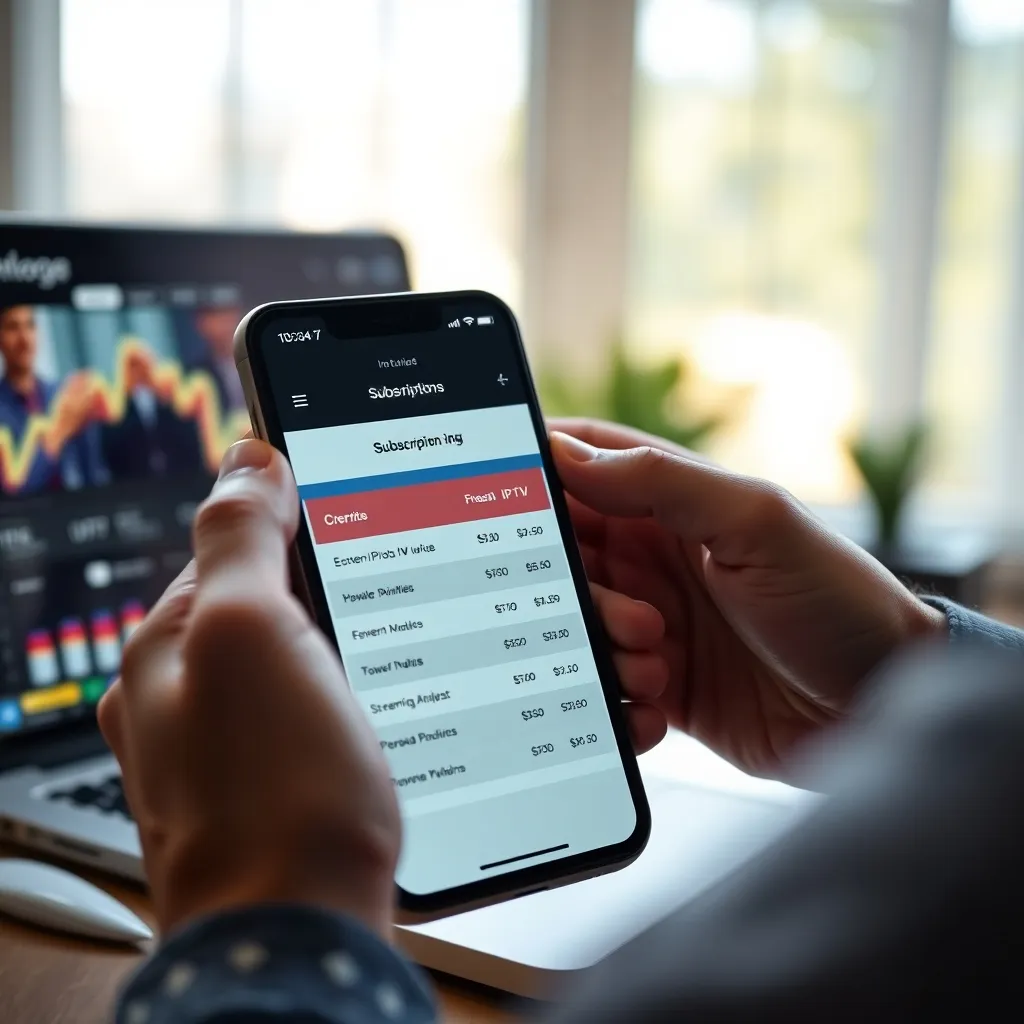
Before committing, compare plans carefully. View our IPTV Pricing to see transparent, no-hidden-fee options that fit different household needs.
Is IPTV Legal? Understanding the Risks
Legality depends heavily on content licensing. A legitimate iptv service pays for distribution rights, while pirate services redistribute content illegally.
Always verify a provider's licensing transparency before subscribing. Unauthorized services risk sudden shutdowns, malware exposure, and potential legal liability for users in certain jurisdictions.
- Check for verifiable business registration
- Avoid providers offering premium sports at unrealistically low prices
- Read independent reviews before paying annually
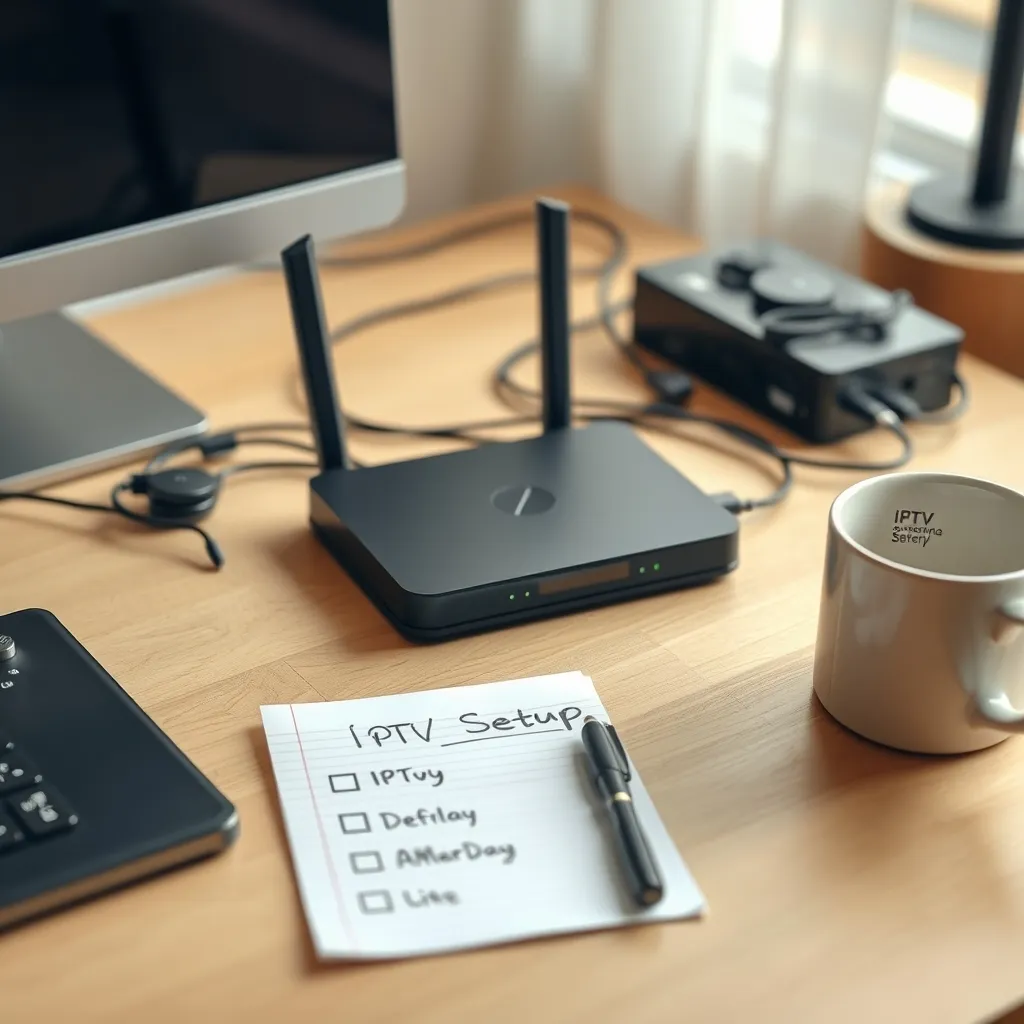
For a step-by-step walkthrough on setting up devices safely and correctly, check our complete IPTV setup guide.
FAQ
What equipment do I need for an IPTV service?
You typically need a stable internet connection of at least 15-25 Mbps, plus a compatible device such as a Smart TV, Fire Stick, or Android box.
Can I use IPTV without a VPN?
Yes, but many users add a VPN for privacy and to reduce buffering caused by ISP throttling on streaming traffic.
How many devices can stream simultaneously?
This depends entirely on your subscription tier; most providers offer plans supporting one to five simultaneous connections.