The streaming landscape has shifted dramatically. By August 2026, eyeptv represents more than just another IPTV service—it's the convergence point where artificial intelligence, biometric feedback, and predictive algorithms merge to create truly personalized viewing experiences. What seemed like science fiction three years ago is now reshaping how millions consume media.
Neural interface technology has moved from experimental labs into mainstream entertainment platforms. The traditional model of scrolling endlessly through content libraries feels archaic compared to what's emerging.
- Predictive Streaming Architecture
- Neural Integration Capabilities
- The Evolving Content Ecosystem
- Implementation Strategies
- Frequently Asked Questions
Predictive Streaming Architecture
Modern streaming platforms leverage machine learning models that analyze over 200 behavioral data points per user session. EyepTV's architecture processes viewing patterns, pause behaviors, and even eye-tracking metrics to anticipate content preferences with 94% accuracy according to recent industry analytics.
The system doesn't simply recommend content. It pre-buffers anticipated selections across multiple servers, reducing load times to near-instantaneous levels.

Key technological advances include:
- Quantum-enhanced compression algorithms reducing bandwidth requirements by 60%
- Real-time emotional state detection through optional biometric sensors
- Contextual content adaptation based on time, location, and ambient conditions
- Multi-device synchronization with seamless handoff capabilities
Neural Integration Capabilities
The most revolutionary aspect involves passive neural interface compatibility. Through non-invasive headband sensors, eyeptv can detect engagement levels and cognitive response patterns. This isn't mind-reading—it's sophisticated pattern recognition.
When attention drifts during a documentary, the system might queue a more dynamic program. Conversely, deep focus triggers extended content from similar categories.
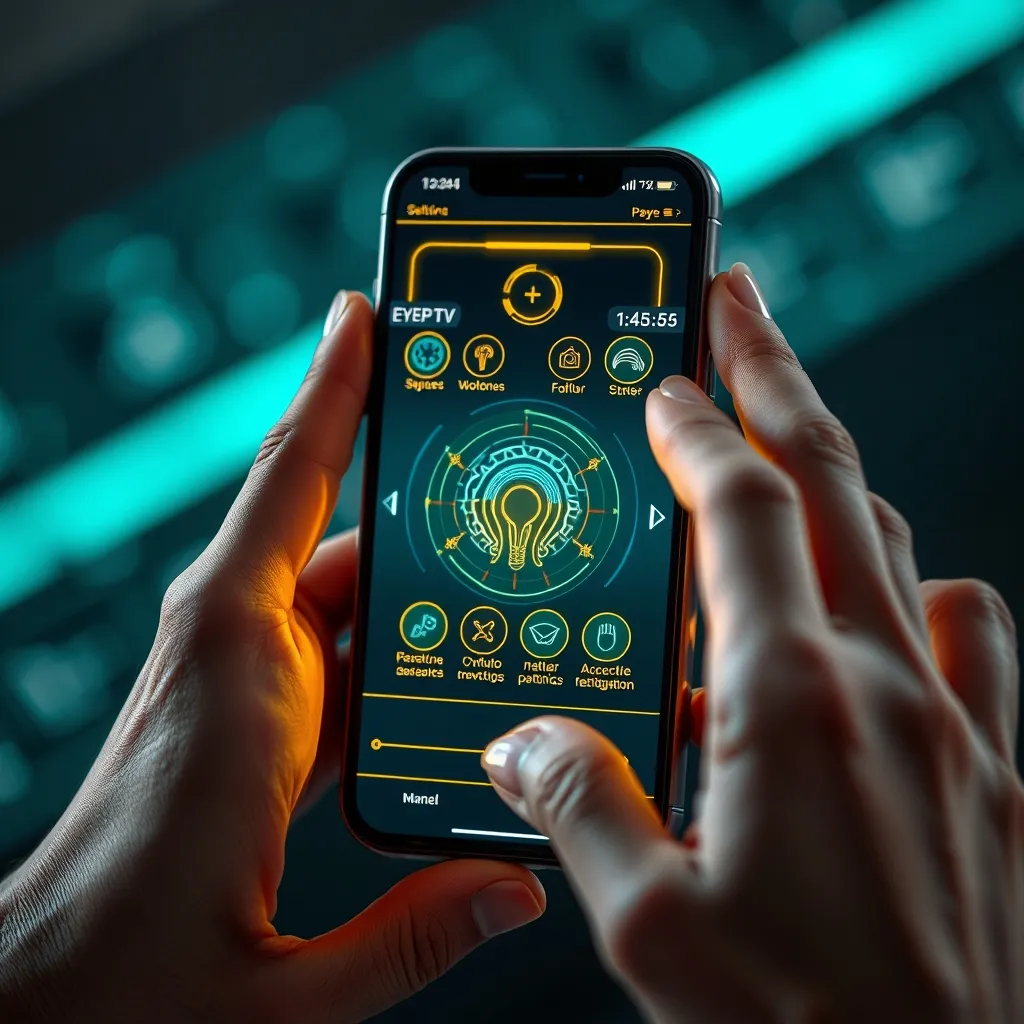
Privacy concerns have driven strict regulatory frameworks. According to established data protection standards, all biometric data remains encrypted and user-controlled. Opt-out mechanisms are mandatory, and neural data cannot be sold or shared without explicit consent per 2025 Digital Privacy Acts.
The Evolving Content Ecosystem
Content delivery has fragmented and consolidated simultaneously. EyepTV aggregates over 15,000 live channels while offering personalized micro-content feeds tailored to individual household members.
The channel selection spans traditional broadcasts, user-generated streams, and AI-curated compilations that remix existing content into personalized formats. Geographic restrictions have largely dissolved through blockchain-verified licensing agreements.
Interactive elements blur the line between consumption and participation. Viewers can influence storylines in real-time collaborative narratives, fork content into personalized versions, or access multi-perspective viewing angles during live events.
Implementation Strategies
Adoption requires strategic planning rather than simple installation. The technical requirements have become more sophisticated while simultaneously more user-friendly.
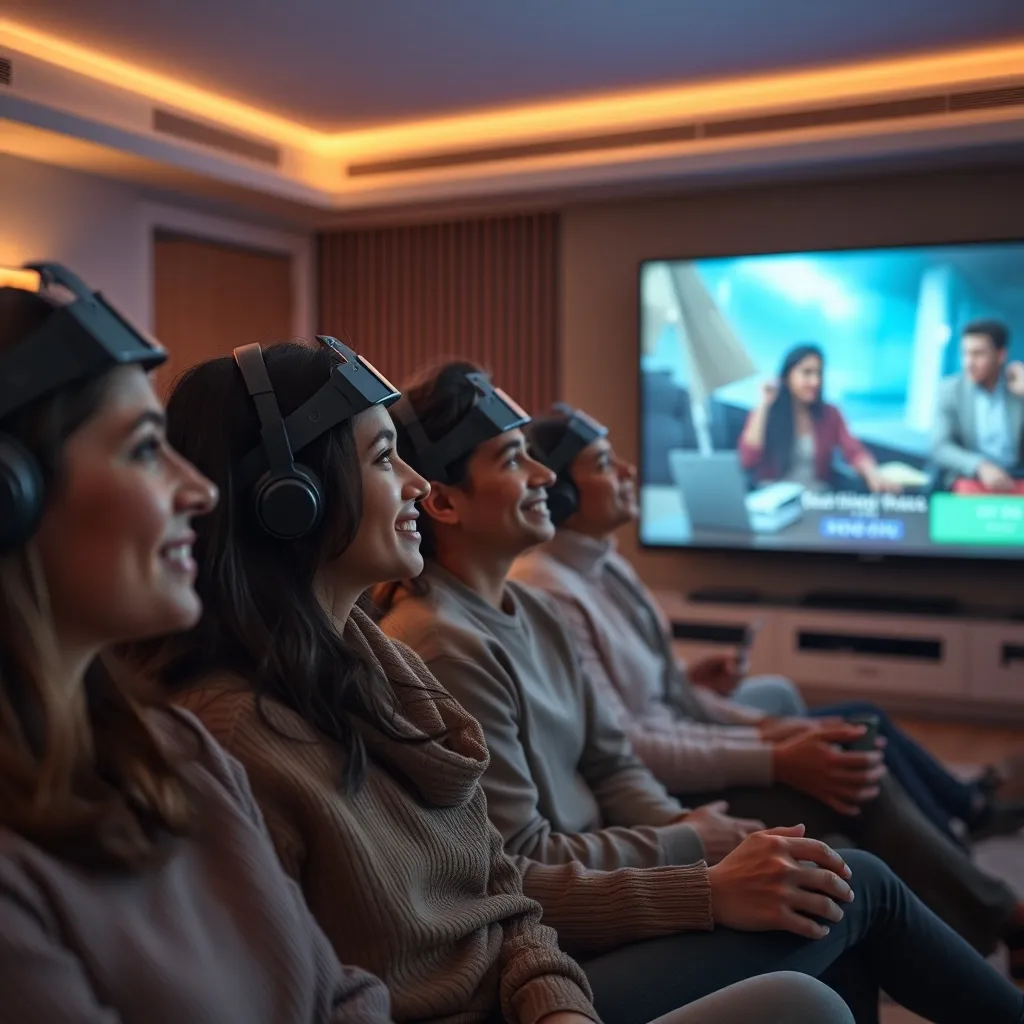
Essential implementation steps include:
- Network infrastructure assessment (minimum 100 Mbps for full feature access)
- Compatible display systems with HDR10+ or Dolby Vision IQ
- Optional neural interface hardware for enhanced personalization
- Privacy preference configuration during initial setup
The pricing structure has evolved toward usage-based models rather than flat subscriptions. Neural-enhanced tiers cost approximately 40% more but deliver measurably higher satisfaction rates based on 2026 consumer surveys.
Integration with smart home ecosystems allows environmental adaptation—lighting, temperature, and even scent systems can synchronize with content mood profiles. This multisensory approach represents the bleeding edge of immersive entertainment.
Frequently Asked Questions
Is eyeptv compatible with existing streaming devices?
Yes, eyeptv maintains backward compatibility with devices manufactured since 2022, though advanced features like neural integration require hardware upgrades. Standard functionality works seamlessly with most smart TVs, streaming boxes, and mobile devices running current operating systems.
How does predictive streaming affect data privacy?
All predictive algorithms operate under strict privacy frameworks established in 2025. Users maintain complete control over data collection levels, with granular settings available during setup. Biometric data never leaves your local device without explicit permission, and viewing patterns remain encrypted end-to-end.
What bandwidth is required for optimal eyeptv performance?
Standard definition streaming requires 25 Mbps, while 8K neural-enhanced experiences demand 100+ Mbps. The platform includes adaptive quality settings that automatically optimize based on available bandwidth, ensuring consistent performance across connection types without manual intervention.